

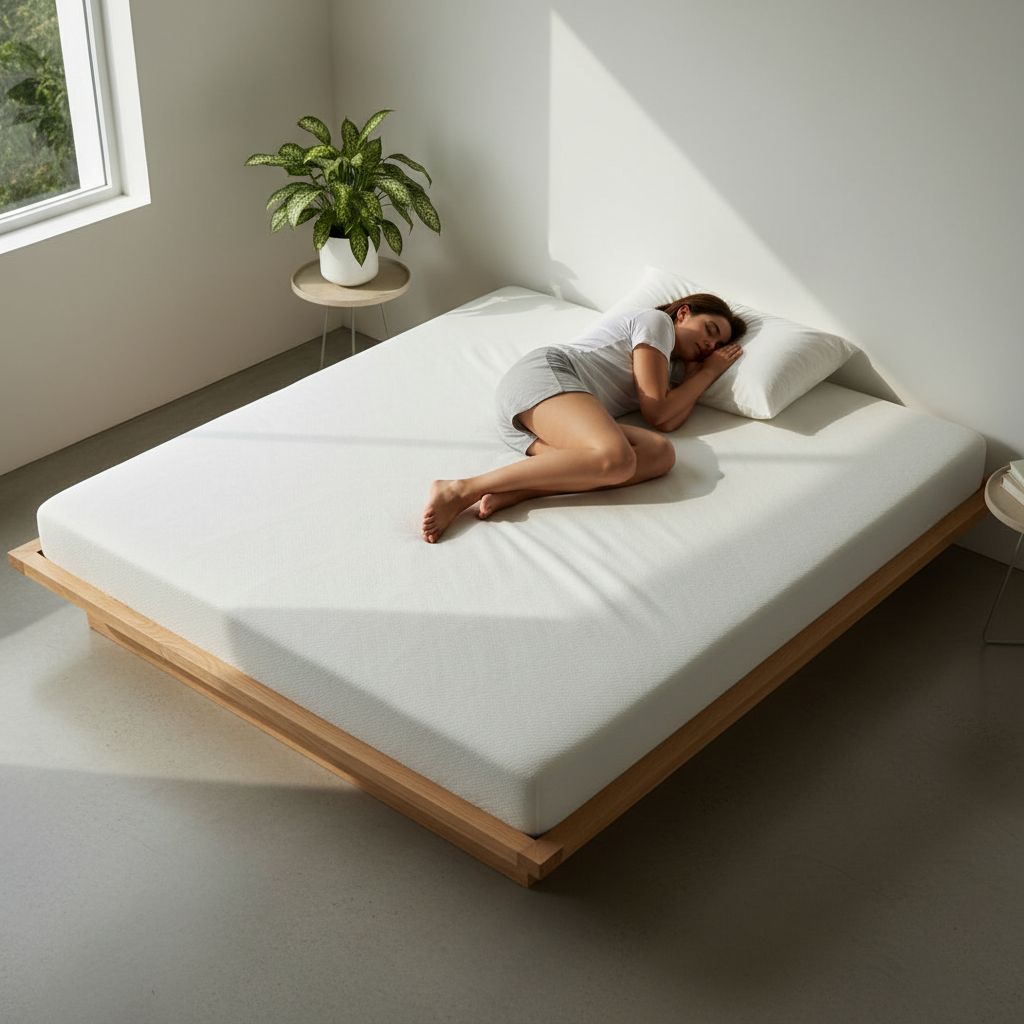
Mattress Buying Guide India: Make the Right Choice
The Ultimate Mattress Buying Guide for India: Don’t Waste Your Money | mattress buying guide India
Let’s be honest. The way most of us buy a mattress in India is completely backward. We walk into a showroom, lie down for five awkward minutes while a salesperson hovers, and make a ten-year decision based on a gut feeling and a slick marketing pitch. It’s a recipe for back pain and buyer’s remorse. After 15 years in this industry, I’ve seen it all, and the biggest mistake is treating a mattress like furniture instead of a critical health device. This comprehensive mattress buying guide for India is designed to change that, giving you the knowledge to see past the fluff and invest in your sleep health. mattress buying guide India plays a direct role in how this strategy performs in real-world conditions.
Why Your Current Mattress Is Likely Sabotaging Your Sleep for mattress buying guide India
A bad mattress is more than just uncomfortable; it’s a silent thief of your health and productivity. The direct link between poor sleep and issues like chronic back pain, weakened immunity, and mental fog is well-documented. Yet, we often blame stress or a long day at work when the real culprit is lurking right under us. The truth is, your mattress should be your partner in recovery, not another source of physical stress.
Think about it: you spend roughly a third of your life on it. If that surface doesn’t provide proper spinal alignment and pressure relief, your muscles can’t fully relax. Instead of recovering, they spend the night fighting to keep your spine straight. You wake up feeling stiff, tired, and older than you are. These are not just aches and pains; they are clear signals that your mattress is failing you. We’ll cover some essential sleep health tips later, but they all start with the right foundation.
Decoding Mattress Types: The Great Indian Material Debate for mattress buying guide India
The Indian market is flooded with options, from traditional coir to space-age memory foam. Understanding the core materials is the single most important step in this entire process. Don’t get swayed by fancy names like ‘Cloud Tech’ or ‘Zero-G Foam’ — focus on what’s actually inside.
The Rise of Latex: Nature’s Answer to a Good Night’s Sleep — mattress buying guide India
Latex, specifically 100% natural latex, is what I recommend to most people, and for good reason. It’s derived from the sap of rubber trees, making it a sustainable and incredibly resilient material. Unlike memory foam, latex has an inherent buoyancy—it pushes back, offering support while still contouring to your body’s curves. This is a game-changer for spinal alignment.
Here’s what makes it stand out, especially in the Indian context:
- Breathability: Natural latex has an open-cell structure that allows for constant air circulation. This is a massive advantage in hot and humid climates like Chennai or Mumbai, preventing that sticky, sweaty feeling common with other foams.
- Durability: A high-quality latex mattress can easily last 10-15 years without sagging, making it a fantastic long-term investment. Cheaper foams break down and form body impressions within just a few years.
- Hypoallergenic: It’s naturally resistant to dust mites, mold, and mildew, which is a blessing for anyone with allergies.
In my experience, finding the best latex mattress in Chennai used to be a challenge, but with brands like Lazy Panda making premium materials more accessible, that’s no longer the case. A good latex mattress perfectly balances comfort and support, which is why it’s a top choice for a premium latex mattress in India.
Memory Foam: The Hug That Can Overheat
Memory foam is famous for its slow-sinking, pressure-relieving ‘hug’. It was developed by NASA, which is a great marketing story, but its real-world application has pros and cons. It excels at isolating motion, so if your partner tosses and turns, you’re less likely to feel it.
However, the main drawback is heat retention. Traditional memory foam traps body heat, which can be incredibly uncomfortable in most parts of India for most of the year. While newer versions infuse gel or copper to mitigate this, they often can’t compete with the natural breathability of latex. It’s a decent choice for some, but you have to be careful.
Coir and Spring: The Traditional Choices
Coir (made from coconut husk) and spring mattresses have been staples in India for decades. Coir is known for being very firm and cheap. The problem? It’s too firm for most people, creating pressure points on shoulders and hips. It also has a tendency to sag and become lumpy over time.
Spring mattresses (Bonnell and Pocketed) offer more bounce. Pocketed spring is superior as each spring is individually wrapped, reducing motion transfer and offering more targeted support. However, they can still develop pressure points and are prone to noise and dust mite accumulation over time. They are a step up from coir but often fall short of the targeted support offered by quality foam or latex.
A Practical Mattress Buying Guide for the Indian Shopper
Okay, theory is great, but how do you apply it in the real world? This section of our mattress buying guide for India is all about actionable steps. Forget the marketing jargon; this is what you actually need to look for.
Firmness Isn’t Just a Feeling, It’s Science
The biggest myth I have to bust constantly is that a super-firm, ‘orthopedic’ mattress is best for back pain. That’s not true. The ideal firmness depends entirely on your body weight and primary sleeping position.
- Side Sleepers: You need a softer surface (Medium-Soft to Medium) to allow your shoulders and hips to sink in, keeping your spine straight. A mattress that’s too firm will cause pressure point pain.
- Back Sleepers: You have more flexibility but generally do best on a Medium to Medium-Firm surface that supports the natural curve of your lower back.
- Stomach Sleepers: This is the trickiest position. You need a Medium-Firm to Firm mattress to prevent your hips from sinking too low, which would put a severe strain on your spine.
When looking for an orthopedic latex mattress in Chennai, for example, don’t just search for the term ‘orthopedic’. Instead, look for a medium-firm latex mattress that provides zoned support—firmer in the middle for your hips and slightly softer at the shoulders. That’s true orthopedic design.
What We See in Practice: Common Mistakes to Avoid
From years of consulting with confused buyers, I’ve compiled a list of the most frequent errors. Avoid these, and you’re already ahead of 90% of shoppers.
- Ignoring the Trial Period: You cannot know if a mattress is right for you in 5 minutes. A risk-free trial of at least 30 nights (we at Lazy Panda offer 100) is non-negotiable.
- Believing ‘More Expensive’ Means ‘Better’: Price is often tied to brand markups and marketing, not just quality. A direct-to-consumer brand like {{internal_link:Lazy Panda}} can offer a premium product for less by cutting out the middleman.
- Focusing on Gimmicks: Cooling gels, copper infusions, and fancy covers can be nice, but they don’t fix a fundamentally bad support core. Focus on the primary material (latex, foam) and density first.
- Buying a Mattress for ‘Now’: A cheap mattress might feel okay for a year, but it will degrade quickly. Think of it as an investment over 8-10 years. A ₹40,000 mattress over 10 years is just over ₹10 a night. Surely your health is worth that.
The Budget Question: How Much Should You Really Spend?
This is always a tough one. While you don’t need to spend a lakh, you should be wary of anything that seems too good to be true. A quality queen-size mattress (latex or high-density foam) will generally fall in the ₹25,000 to ₹60,000 range.
An affordable latex mattress in Chennai or any other metro city shouldn’t mean compromising on quality. It means looking for brands that are transparent about their materials and offer fair, direct-to-consumer pricing. For example, our {{internal_link:100% natural latex mattresses}} are priced competitively because we manage our own supply chain, passing the savings to you.
The Lazy Panda Difference: Why Latex is Our Champion
At Lazy Panda, we’ve tested everything. We chose to specialize in 100% natural latex because we believe it offers the best combination of comfort, support, breathability, and durability for the Indian sleeper. It’s not just a product for us; it’s a sleep philosophy built on providing real, tangible health benefits.
I remember a client, an IT professional from Bangalore, who was suffering from persistent lower back pain. He was convinced he needed a rock-hard coir mattress. We persuaded him to try our medium-firm latex mattress for 100 nights. Within three weeks, he emailed us saying his morning stiffness was gone for the first time in years. He was fighting his body’s needs based on outdated advice, and the right material made all the difference.
Our commitment is to provide a premium latex mattress in India that is both accessible and scientifically sound. We don’t hide behind confusing marketing; we tell you exactly what’s in our mattresses and why it works.
Final Sleep Health Tips to Maximize Your New Mattress
Your mattress is the hero, but it needs a good supporting cast. To truly transform your sleep, incorporate these simple sleep health tips:
- The Right Pillow: Your pillow’s job is to keep your head aligned with your spine. A side sleeper needs a thicker pillow than a back sleeper.
- Cool & Dark Room: Your body temperature needs to drop to initiate deep sleep. Keep your room cool (around 18-20°C if possible) and as dark as possible.
- Consistent Schedule: Try to go to bed and wake up around the same time every day, even on weekends. This regulates your body’s internal clock.
- Limit Screen Time: The blue light from phones and laptops tricks your brain into thinking it’s daytime. Put screens away at least an hour before bed.
By following this mattress buying guide for India and adopting better sleep hygiene, you’re not just buying a new bed—you’re making a profound investment in your long-term health and well-being. Don’t settle for another night of restless sleep. You deserve better.
FAQs About Buying a Mattress in India
- 1. How often should I change my mattress in India?
- It depends on the material. A good quality latex or high-density foam mattress should be replaced every 8-12 years. Cheaper coir or spring mattresses may need replacing in as little as 5-7 years as they lose support and sag.
- 2. Is a firm mattress always better for back pain?
- No, this is a common myth. The best mattress for back pain provides contouring support to keep your spine in neutral alignment. For most people, a medium-firm mattress is ideal, as it’s firm enough to support the back but soft enough to cushion the hips and shoulders.
- 3. What’s the best mattress for couples?
- For couples, the key features are motion isolation and a good balance of firmness. Pocket spring and latex mattresses are excellent choices because they minimize motion transfer, so you won’t be disturbed when your partner moves. Memory foam is also good for this but can sleep hot.
- 4. Can I buy a mattress online without trying it?
- Yes, and it’s often better than a 5-minute store trial. Reputable online brands like Lazy Panda offer a risk-free trial period (e.g., 100 nights) in your own home. This allows your body to truly adjust and decide if the mattress is right for you.
- 5. Is a latex mattress worth the investment in India?
- Absolutely. For the Indian climate, a natural latex mattress is often the best choice due to its superior breathability, which prevents heat buildup. Its durability and natural resistance to dust mites also make it a healthier and more cost-effective option in the long run.
Ready to Find Your Perfect Sleep?
Stop guessing and start sleeping better. A great night’s sleep isn’t a luxury; it’s a necessity. If you’re tired of waking up sore and exhausted, it’s time for a change. Explore our curated collection of {{internal_link:100% natural latex mattresses}} and find the perfect match for your body and budget. With our 100-night risk-free trial, your only risk is sleeping too well.
A practical way to evaluate mattress buying guide India is to compare fit, budget, timing, warranty terms, and after-sales support before making a shortlist.
For local buyers, mattress buying guide India should be judged by total value, not just the first quoted number or the most attractive discount.
Frequently Asked Questions
How often should I change my mattress in India?
It depends on the material. A good quality latex or high-density foam mattress should be replaced every 8-12 years. Cheaper coir or spring mattresses may need replacing in as little as 5-7 years as they lose support and sag.
Is a firm mattress always better for back pain?
No, this is a common myth. The best mattress for back pain provides contouring support to keep your spine in neutral alignment. For most people, a medium-firm mattress is ideal, as it’s firm enough to support the back but soft enough to cushion the hips and shoulders.
What’s the best mattress for couples?
For couples, the key features are motion isolation and a good balance of firmness. Pocket spring and latex mattresses are excellent choices because they minimize motion transfer, so you won’t be disturbed when your partner moves. Memory foam is also good for this but can sleep hot.
Can I buy a mattress online without trying it?
Yes, and it’s often better than a 5-minute store trial. Reputable online brands like Lazy Panda offer a risk-free trial period (e.g., 100 nights) in your own home. This allows your body to truly adjust and decide if the mattress is right for you.
Is a latex mattress worth the investment in India?
Absolutely. For the Indian climate, a natural latex mattress is often the best choice due to its superior breathability, which prevents heat buildup. Its durability and natural resistance to dust mites also make it a healthier and more cost-effective option in the long run.


Leave a Reply
Want to join the discussion?Feel free to contribute!